
 8 hours ago
5
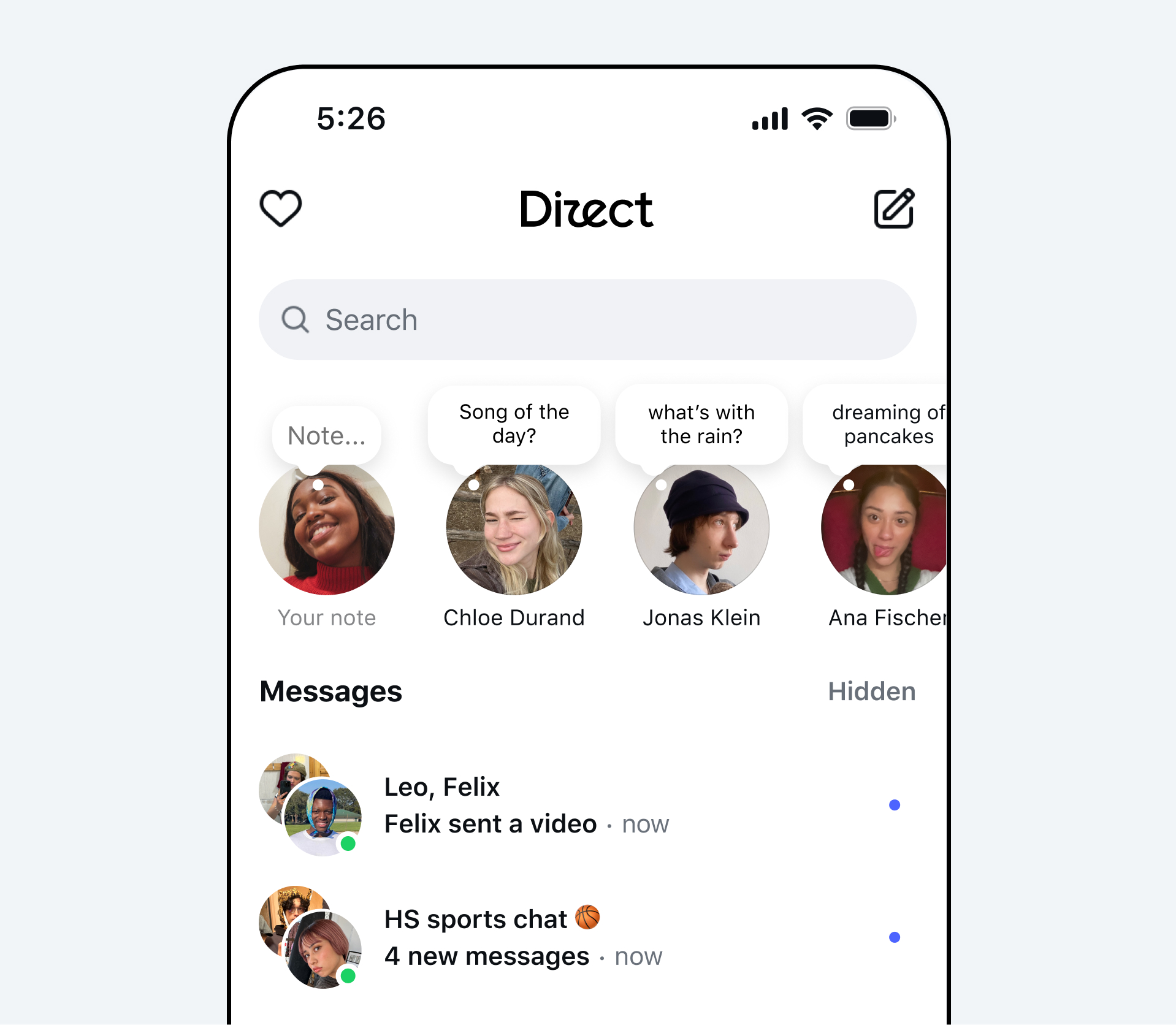
Over the past year, we’ve strengthened the default protections behind what Instagram recommends in India to reduce unwanted content and improve people’s experience on Instagram. This work has been guided by what our users told us they want from their recommendations.
Today, we’re sharing an update on this work.
How Recommendations Work
At Instagram, we make personalized recommendations to help people discover new communities and content. Our goal is to make recommendations that are relevant and valuable to each person who sees them. For example, if you interact with restaurants and bookstores on Instagram, we may recommend content about food, recipes, books, or reading.
Recommendations include content from accounts you don’t already follow, in places like Explore, Reels and Feed, so we apply guidelines specific to them. Through our Recommendations Guidelines, we work to avoid recommending content that could be low quality, objectionable or particularly sensitive. We use technology to detect content and accounts that don’t meet those guidelines and to help us avoid recommending them.
As always, content that goes against our Community Standards is removed from Instagram, and content that is unlawful in a country is restricted there.
What We’ve Changed
Better detection: Around the world, our systems check content against our Recommendations Guidelines before we recommend it. We’ve been improving those systems, including using more capable AI models that assess content directly rather than waiting for someone to report or hide it, so we catch more of what people don’t want to see.
Tuned for India: We’ve improved our systems specifically for India so they catch more of what people here told us they didn’t want to see. Today, our systems keep more of this content out of recommendations, including sexually suggestive content and content that depicts violence.
Since these changes, we’ve been able to proactively reduce more content in India that doesn’t meet our Recommendations Guidelines. As a result, we’ve seen people report recommended content about half as often as they were a year ago.
Your feedback shapes this too. When someone hides a post or taps “Not interested,” that tells us what not to recommend to them, and helps us understand what people don’t want to see.
Controls Over What You See and Who Can Reach You
Alongside the standards we apply for everyone, you have controls to adjust what you see and who can reach you:
- Sensitive Content Control lets people choose to see less sensitive content in their recommendations, across Search, Reels, Explore, suggested accounts, and in-Feed recommendations. It’s in Settings and Activity, under Content Preferences. In India, the most mature content isn’t recommended, so this control adjusts what you see within that.
- Political Content Control lets people choose to see less political content in recommendations from accounts they don’t follow. It’s in Settings and Activity, under Content Preferences → Political Content.
- Not Interested lets people tell us a recommendation isn’t for them, by tapping the three dots on a post or reel.
- Hidden Words filters chosen words, phrases, and emojis out of comments and message requests.
- Block prevents someone from finding a profile, seeing posts, or sending messages, and also covers new accounts they try to create.
Teens have additional age appropriate protections. Last year, we introduced Teen Accounts in India, which automatically places teens in a 13+ content setting shaped by our age-appropriate content guidelines.
Our Continued Work
We’re committed to improving our systems as user behavior and technology changes, and we’ll keep listening to what people in India tell us they want to see.
We publish data on how we enforce our policies in our global Community Standards Enforcement Report, and in the monthly transparency report we publish for India under the IT Rules, 2021.
The post An Update on the Content We Recommend on Instagram in India appeared first on Meta Newsroom.









 English (US) ·